Is My Goat Bloated or Just Fat and Happy?
A question we get tagged in often on goat forums is “Guys! Help! I think my goat has bloat what do I do?!”
Then they’ll post a photo near identical to Polly’s here.
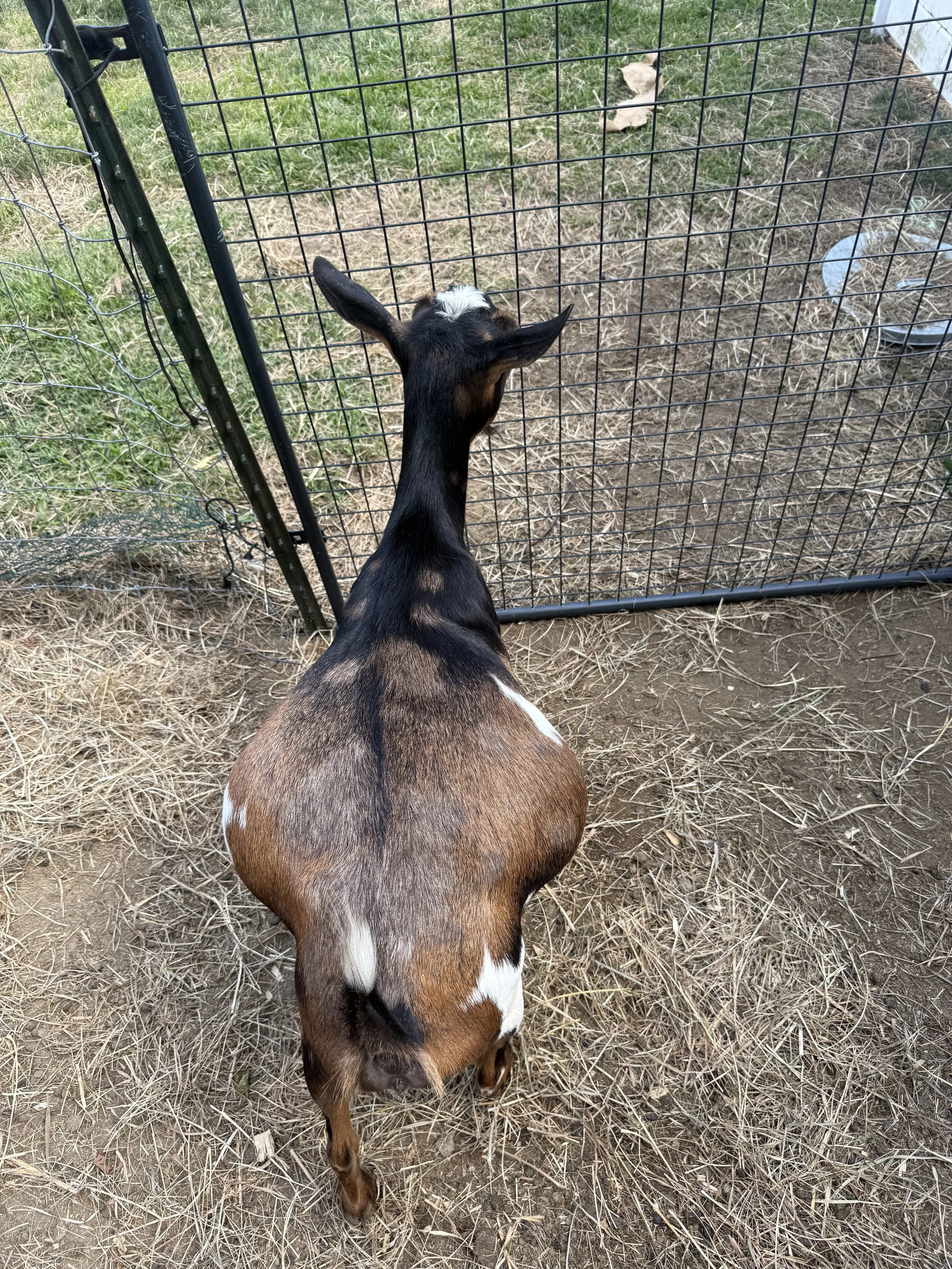
While we are always happy to help and would rather err on the side of caution, a goat who looks like this is NOT bloated.
Bloat in ruminants (and any animal really) is extremely painful and can become fatal very quickly if not addressed. Bloat in goats happens after they eat a meal and have issues digesting it. This often happens after goats get into chicken or horse feed, been free fed grain, or they’ve gone too long without water or proper forage. Bloat is a medical emergency that needs immediate intervention. While there are at home treatments that can be done such as using mineral oil via tubing, baking soda to break up gas, or punctures, we do not recommend you try any of those without contacting a vet first and having them teach you the methods. Some people leave free range baking soda out for their goats, but if their diets are balanced and they can’t get into other animal’s feed or toxic plants, there’s not real need to.
A goat or animal with bloat will be in obvious pain. They will cry, scream, lie down, and their stomachs will feel like rocks and be extremely tight with trapped gas.
Goats who look like Polly here have two main areas of their four chambered stomachs that can be felt easily. On the left (from if you’re standing behind them) is the rumen, the first and largest chamber of the stomach. This is all the food they’ve recently had that is currently undergoing fermentation and being broken down by microbes. If you push on it, it will feel hard but malleable. And the animal shouldn’t be uncomfortable while you press gently in to feel the bolus of food. The right side is the food that is in the fourth chamber of the stomach and is almost digested fully, as well as a bit of displacement of other organs and fat. This should feel soft even with as expanded as it is here.
Goats who look like this and are otherwise acting normal and not in pain are just fat and happy!

FAMACHA Scoring Method
Fellow small ruminant owners, do you know what FAMACHA scoring is and how to do it? If not, let’s go through this incredibly important in field test so you can make sure your herd stays healthy from parasites.
FAMACHA scoring is a method of checking how anemic an animal is. The brighter red/pink the lower, inner eyelid , the better the iron level. White means extremely anemic and that a dewormer must be given IMMEDIATELY. The number one cause of anemia is barber pole worm and it is extremely difficult to get rid of. This worm needs very specific dewormers to eradicate.

We check the FAMACHA of every goat every single week. This allows us to maintain better control over any parasite threats and treat immediately vs waiting for the animals to become symptomatic and have an emergency situation.
I am FAMACHA certified by the University of Rhode Island. I am more than happy to show local farmers and goat owners how to do this simple method and explain the proper deworming protocol. (Make sure you follow up with your vet afterwards for fecal testing)
Remember, never give medicine if it isn’t warranted. Goats and sheep are so easily made resistant to dewormers by constant or continuous deworming protocols. If their FAMACHA score is good, don’t deworm!
What is Bottle Jaw and How Do We Fix It?
Let’s discuss a very common issue with goats, especially young ones.
This is called Bottle Jaw. It is a symptom of anemia, not an actual disease itself.

Little Lyric with bottle jaw when she was 5 months old.
Bottle jaw is noted by the bilateral swelling of the lower jaw in goats. It occurs due to anemia, which is usually caused by the very annoying, and sometimes resistant, barber pole worm.
Barber pole ONLY affects sheep and goats. It cannot be transmitted to other animals. This is why it’s beneficial to have chickens grazing on goat pastures because chickens help break down the poop that barber pole likes to live in. It’s why we allow the chickens to be in with the goats a few hours a day. It’s beneficial to both of them.
How to deal with bottle jaw:
1) Act Immediately. This can become life threatening if not treated right away. As you know, I spend hours a day with my animals and personally check every single one of them for injury or sickness multiple times a day. I noticed Lyric having bottle jaw late Friday night and acted within minutes. Her vet was notified and a plan of action was made.
2) Check temperature. Goat temperature is between 101.5-103.5 degrees Fahrenheit. Do not give anything by mouth if they are below or above this range. Their rumens (stomachs) will not work.
3) Check FAMACHA and make a note of it. FAMACHA scoring is a wonderful tool for goats and sheep. By noting the color of the mucus membranes of the lower eyelid, we are able to determine the iron concentration of the blood with relative certainty and determine how much intervention is needed. (See blog post titled: FAMACHA SCORING)
4) The most likely culprit is barber pole worm. As it is an annoyingly resistant parasite, it needs two types of dewormers to kill. Both of which I keep on hand. Cyndectin (a macrocyclic lactone), and panacur (a benzimidazole). Lyric was given one dose of each for her weight. Note: most dewormers are for sheep and the dose is doubled for goats. Always verify with your veterinarian. Some research is showing Cyndectin to be potent enough on it’s own over two doses, again, check with your vet to verify the strength of the barber pole worm in your area.
5) Assess overall activity level and appetite. Lyric never stopped wanting to eat, drink, or nurse. She just wanted to sleep more.
6) Give vitamin B complex either via subcutaneous injection or orally. This helps keep their thiamine levels at the correct concentrations and also helps their body make new red blood cells. We also give a goat iron vitamin. We prefer the oral Vit B as the goats much prefer the taste and it’s less stressful for them.
7) Continue giving Vitamin B complex as recommended by your veterinarian. Watch for daily changes. If can take a few days for the bottle jaw to completely resolve. Your vet may recommend an anemia protocol based off the FAMACHA score of your animal.
8 ) Take photos to track progress. Have your vet run a fecal to make sure you also aren’t dealing with another kind of parasite.
If you own goats, you’re going to deal with this at some point. Having a plan and things on hand takes it from an emergency situation to something significantly more manageable.
Housing and Shelter for Goats
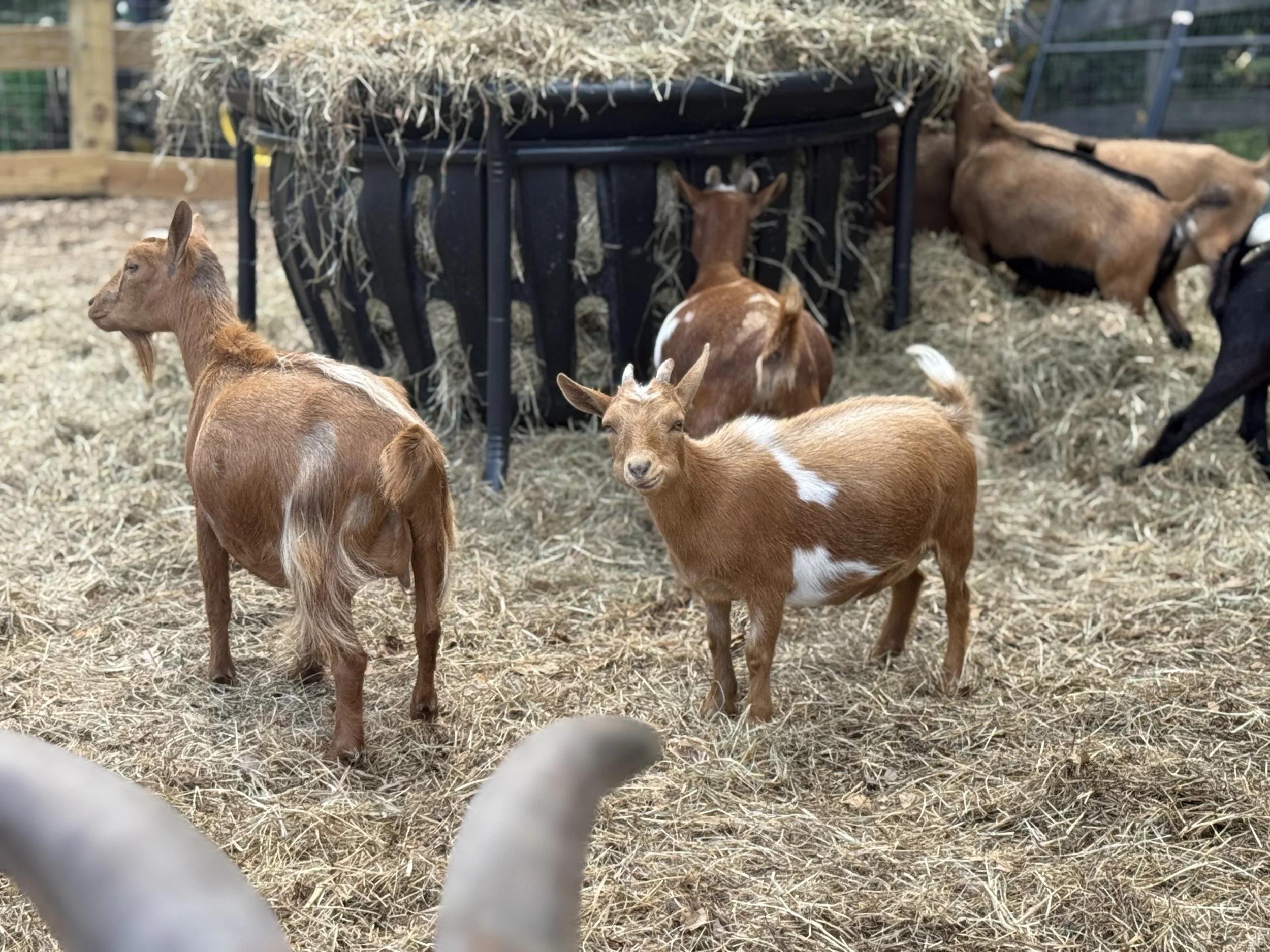
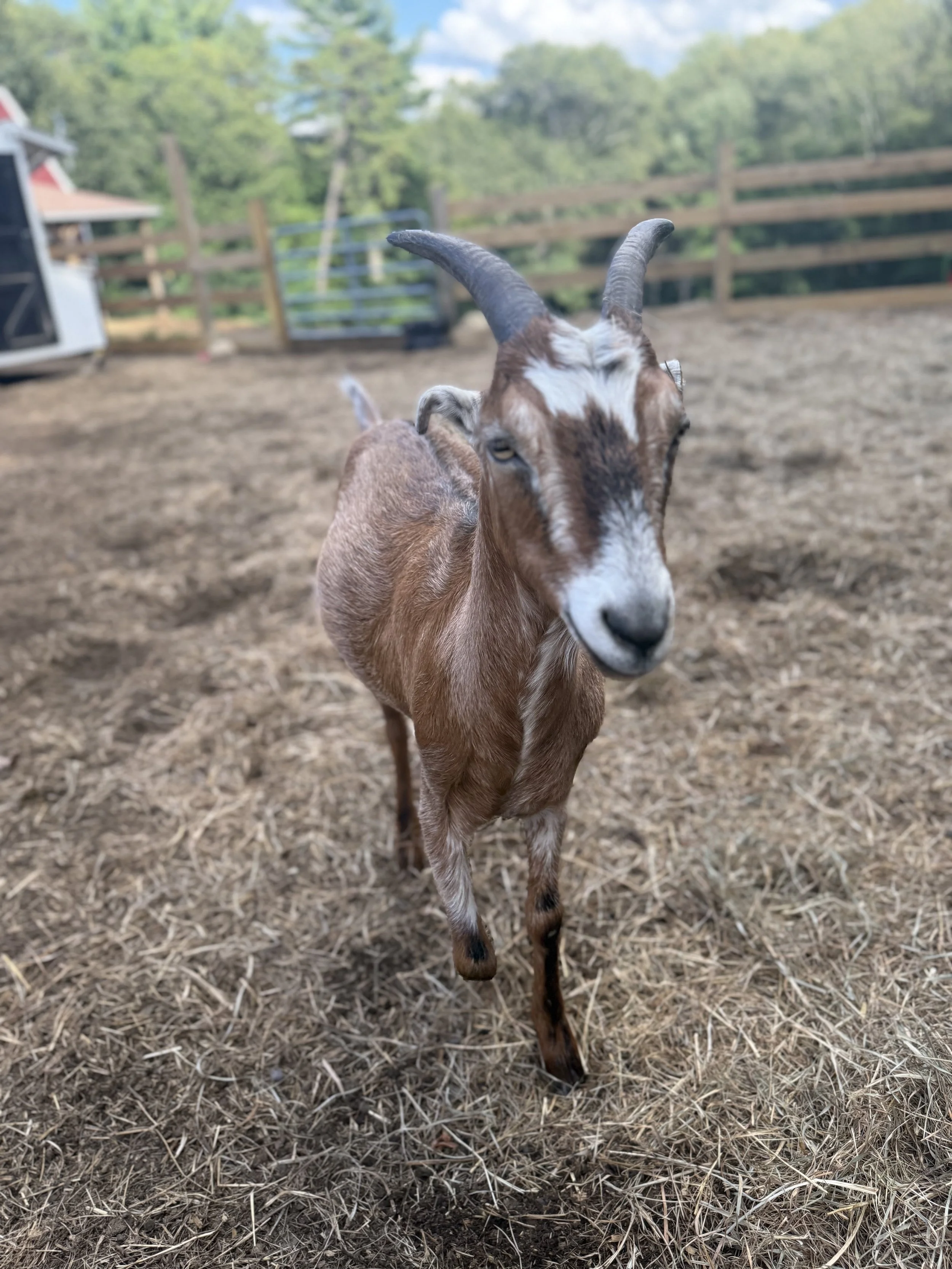
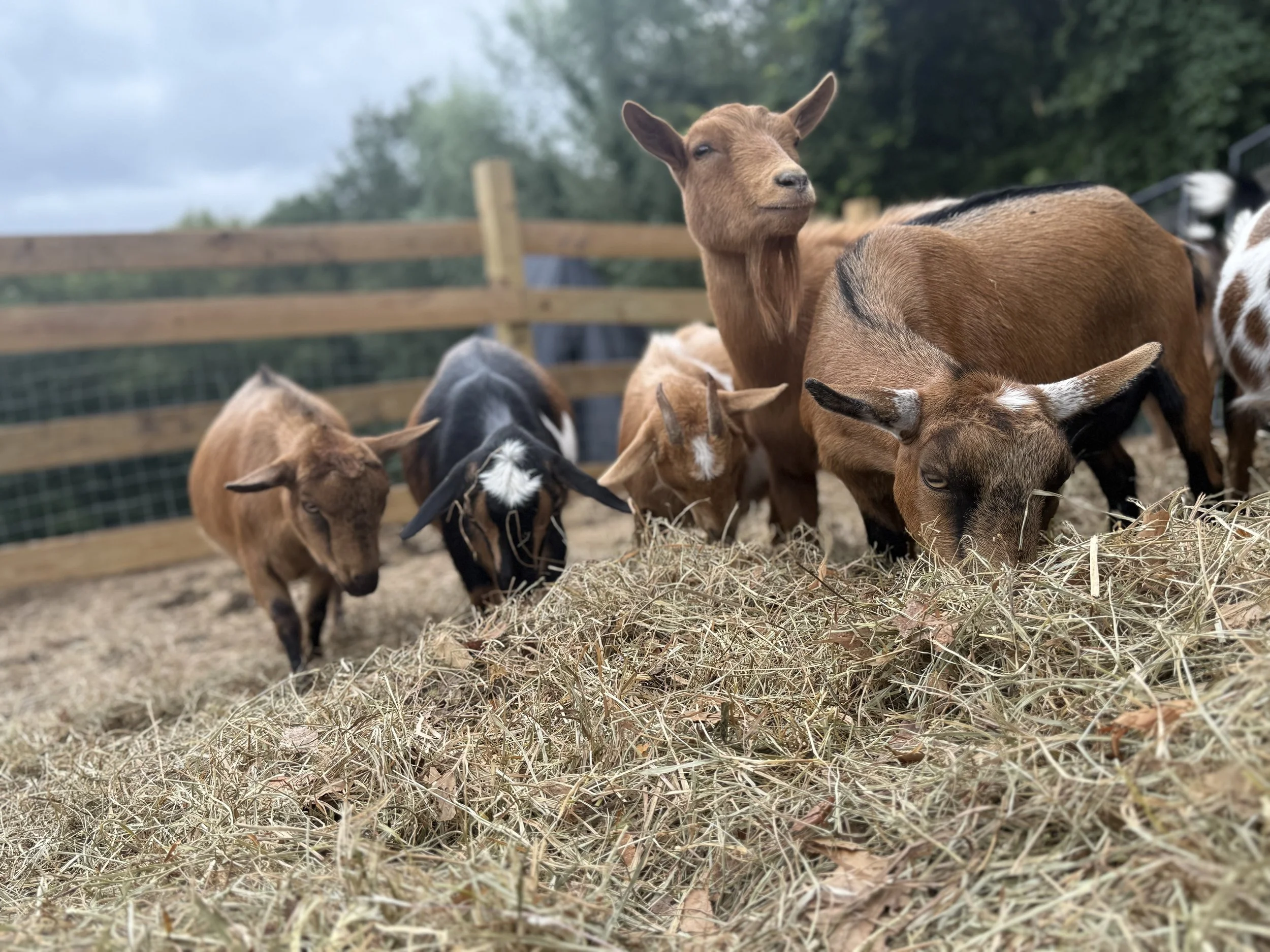
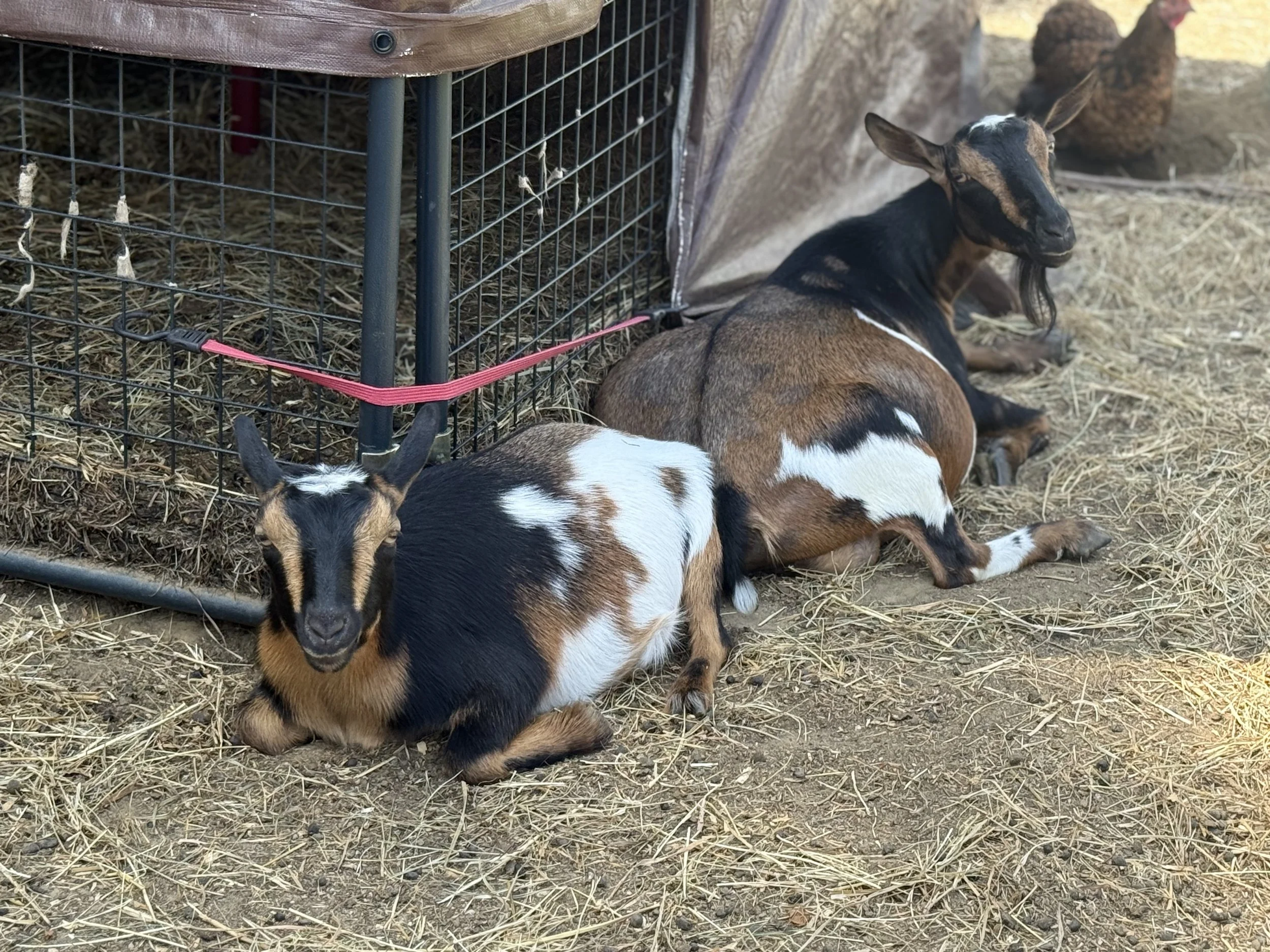
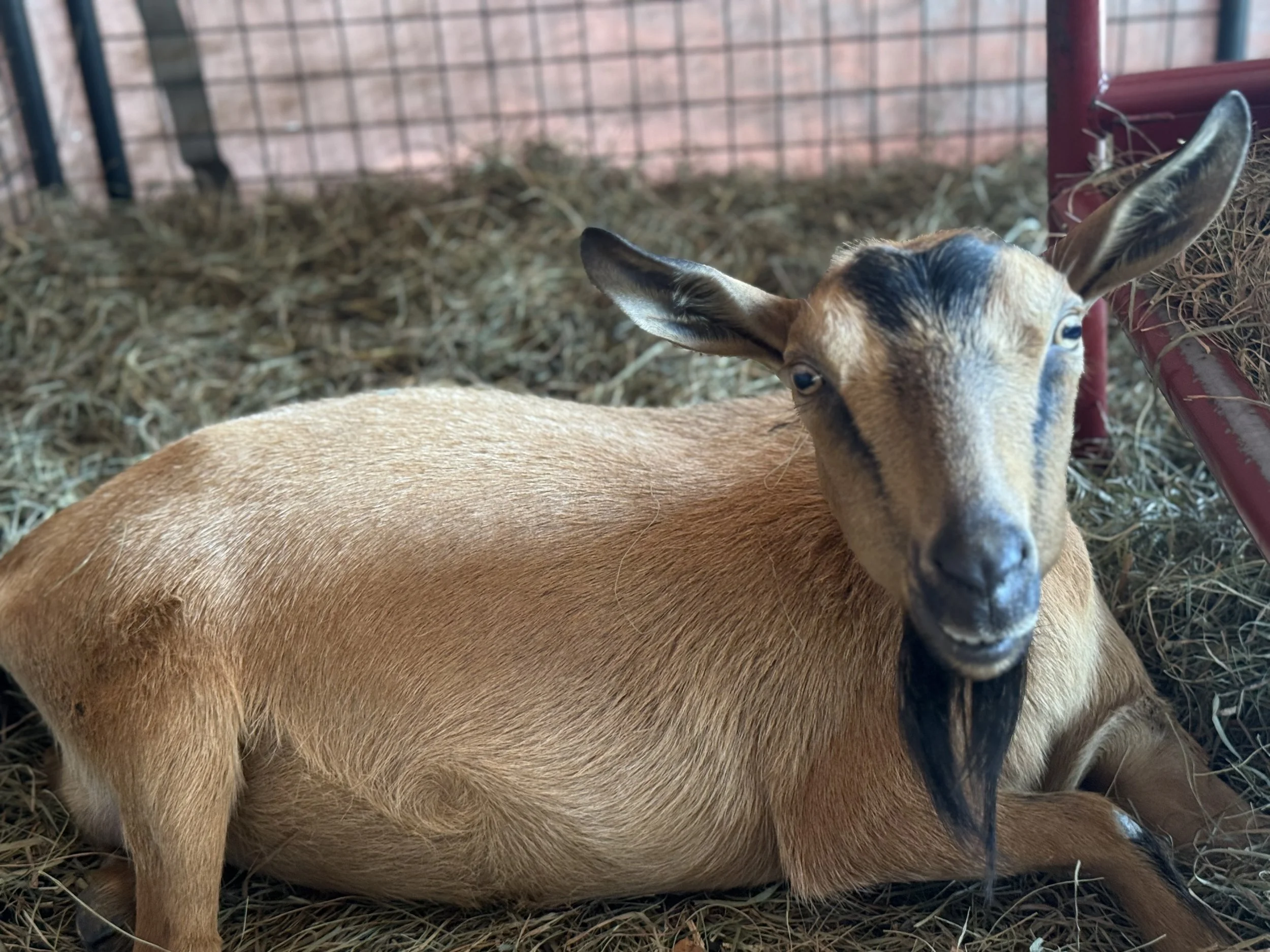
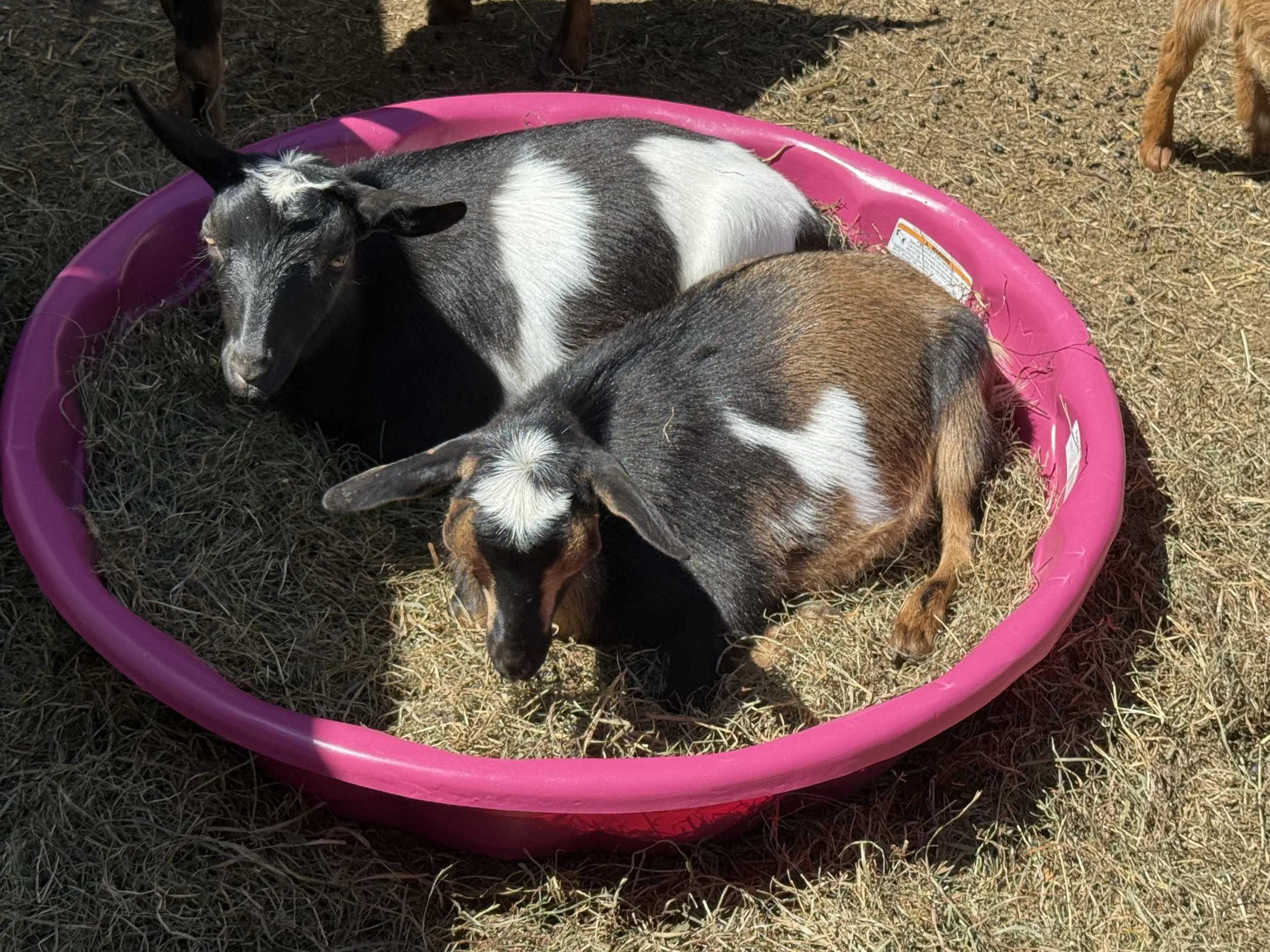
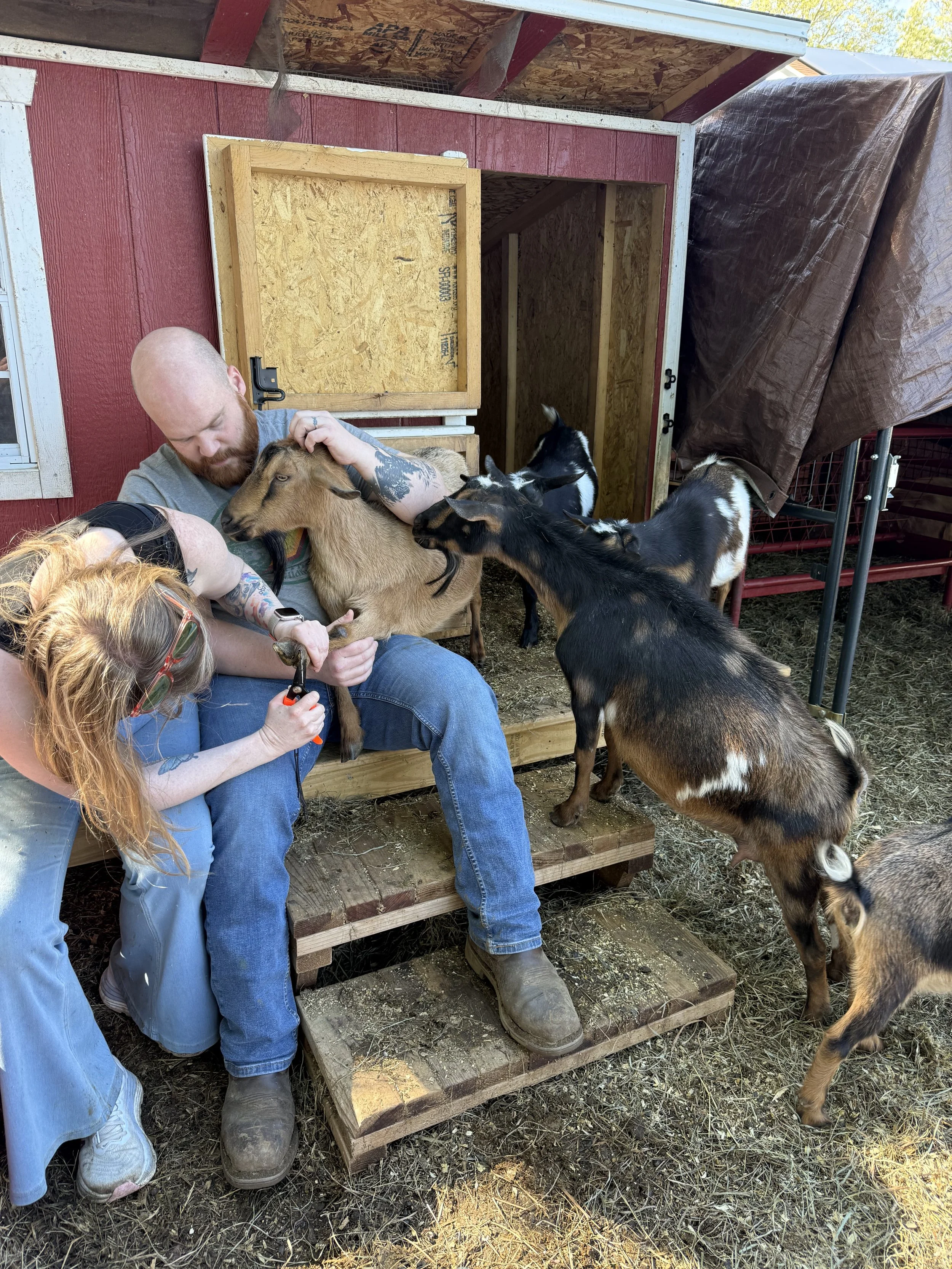
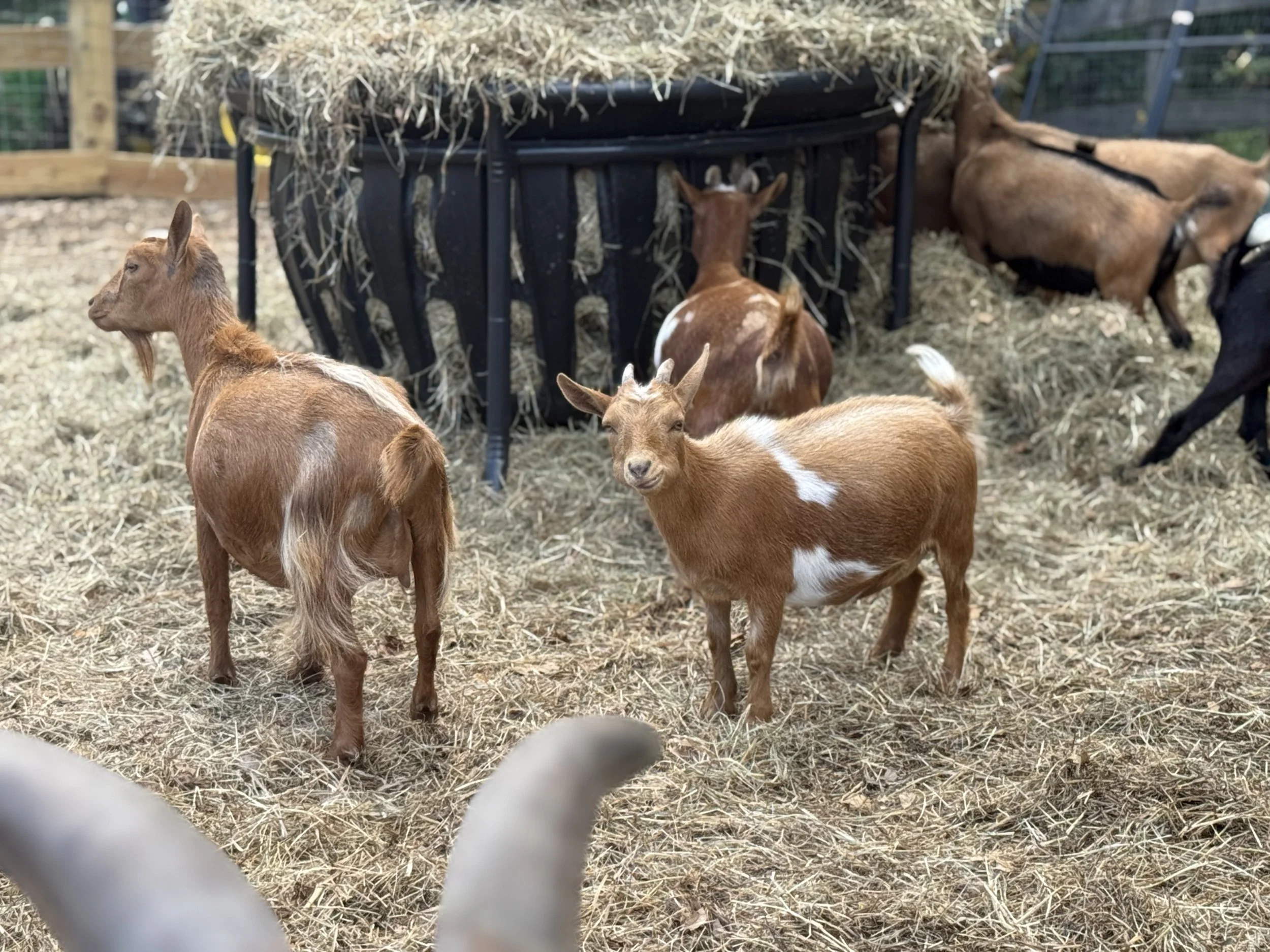

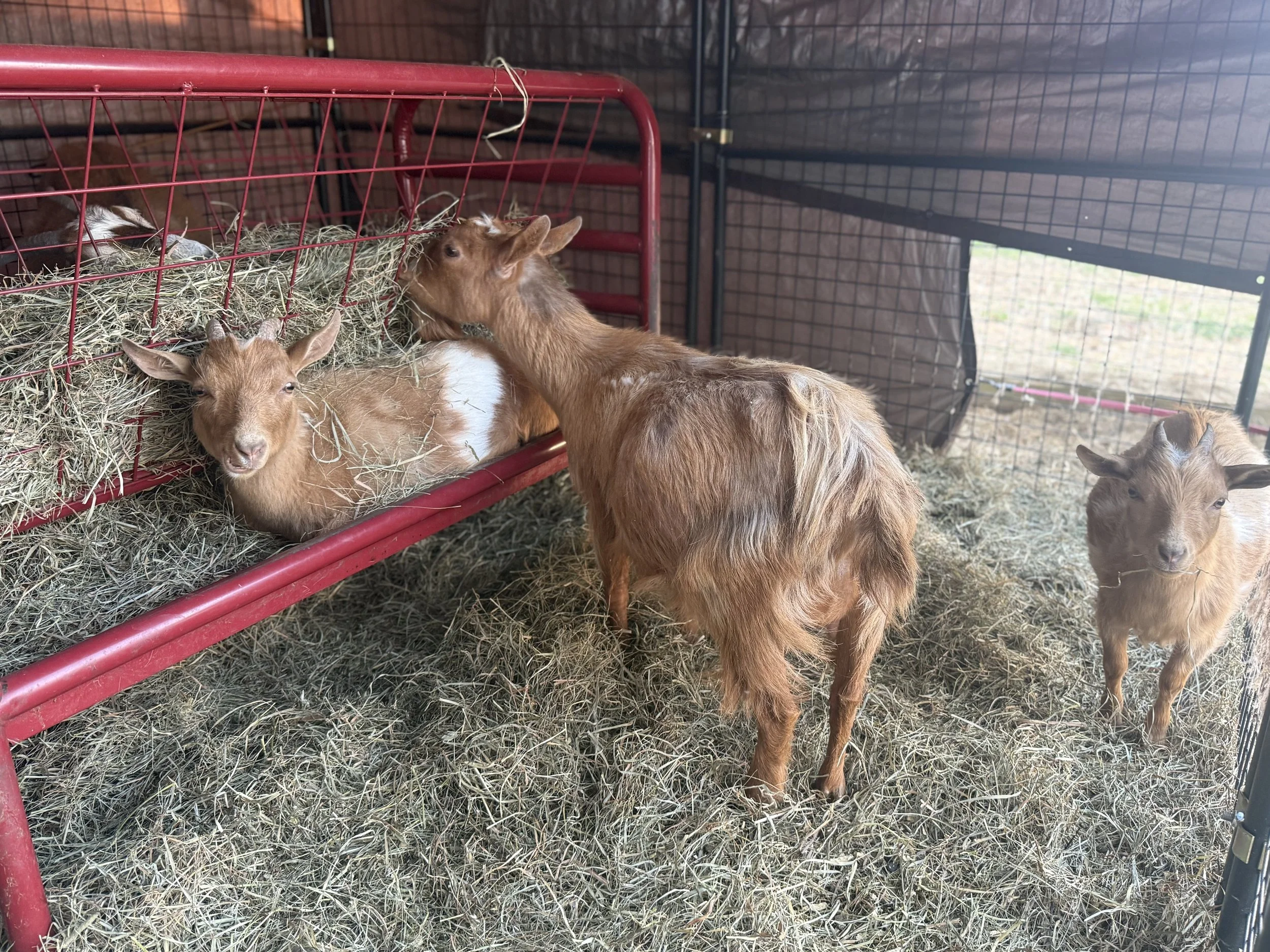
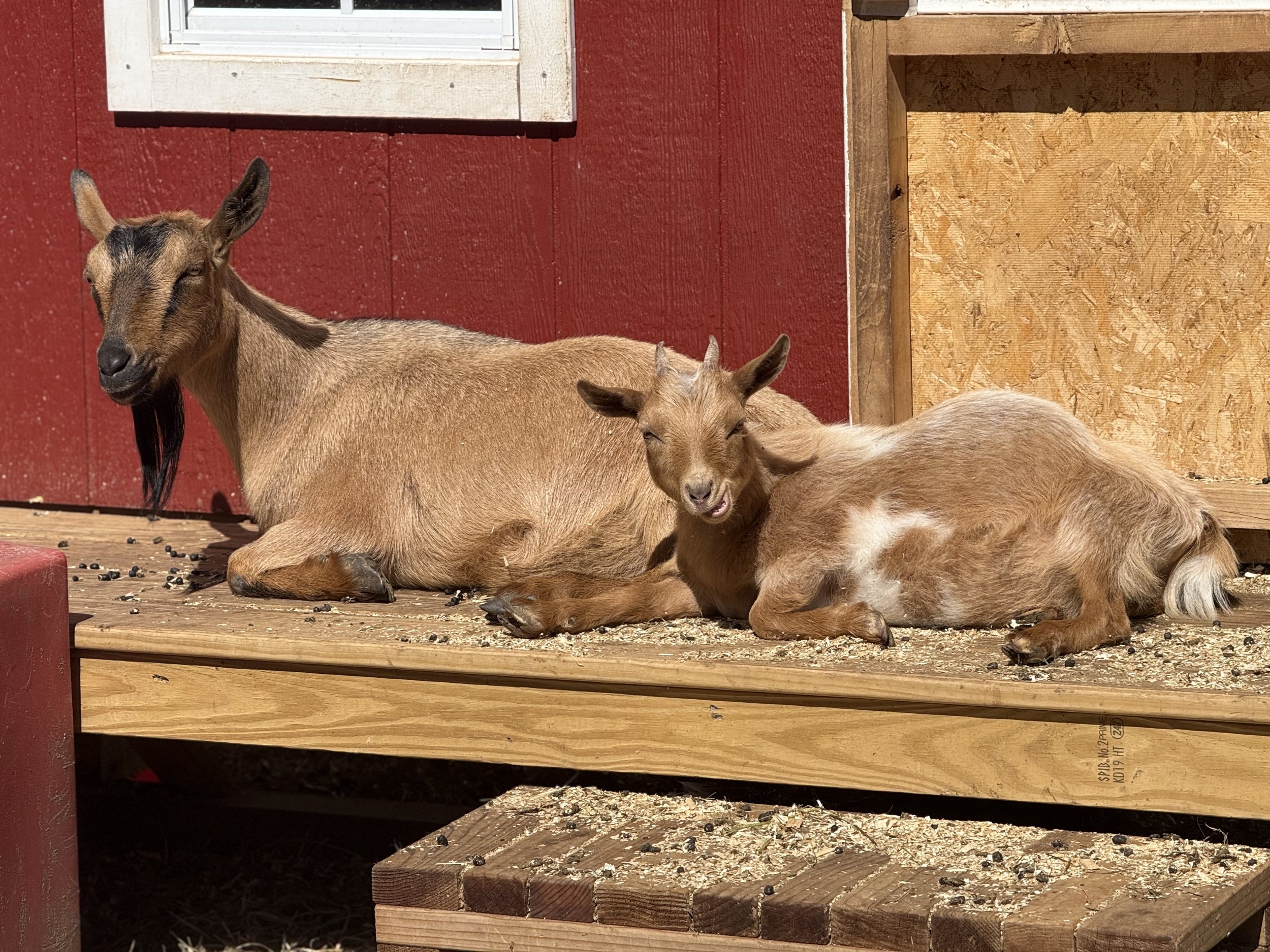
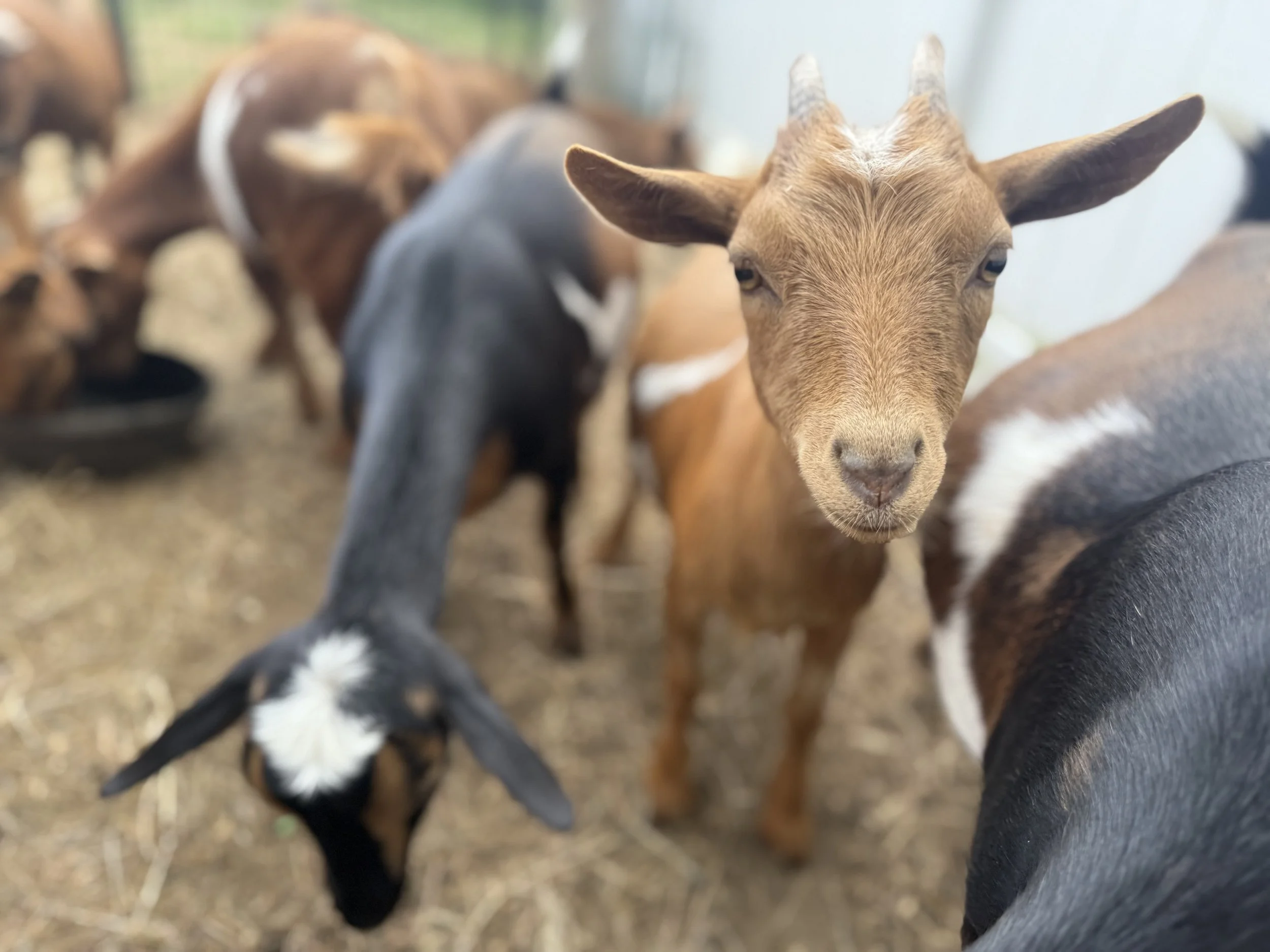
One of the biggest questions we get asked when people want us to come look at their goat enclosures and set ups is “do my goats have enough space?”. This is a difficult question to have one set answer to, because it’s extremely different based on individual herds. For example, my herd is 12 strong, and all but two of them are related Nigerian dwarf goats. They’re small, love to cuddle, and don’t take up a tremendous amount of space. My two larger boys need more room to stretch out, but overall, my goats don’t need acres and acres of room to run around on. That being said, you do want to make sure that you have at least ten square feet of space per goat for sleeping. This allows them to have space to stretch out during warmer months, and it’ll lessen the amount of odor build up from their droppings and urine.
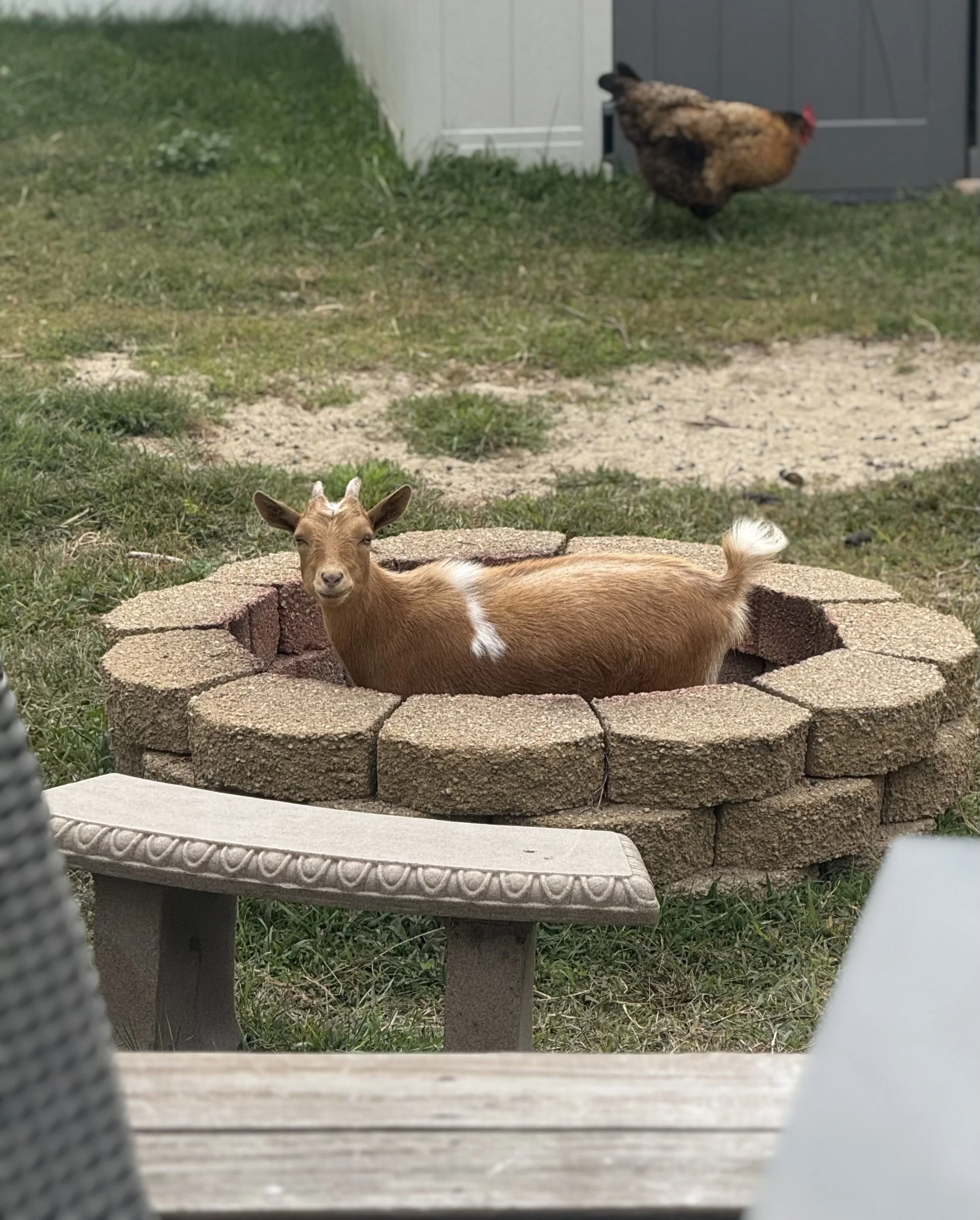
Goats love to play. It’s so fun to watch them run and jump and get zoomies, so absolutely make sure you have room and secured fencing (talking a minimum of 6 feet high if you want to have any hope of keeping them contained) for them to get all their energy out and have a lot of fun. Goats tend to get bored easily, and a bored goat is a naughty goat. Give them playground equiptment (make sure it’s not so high that if they jump off they’d get gurt), climbing options, natural wood and brush to give them some mental stimulation, and toys if they seem interested. Our goats have a slide, a giant tree truck to jump all over, and three different areas where we can rotate them around to stimulate their minds and bodies. For whatever reason, one of their favorite places is our fire pit. I don’t know if it’s the residual warmth, the smell, or they just feel cozy in it, but no matter what we do we cannot keep them out of it when we let them in the yard!
Of course, make sure all enclosures are safe for year round use. You want a minimum of a three sided structure that is off the ground a few inches (helps keep rodents and snakes away), has no draft, and has plenty of ventilation for summer months. We have two separate structures. The first is a 5’x8” elevated mini barn that has a front porch, a dutch door, a window, and rubber mats inside. It’s elevated enough that the goats also can easily get underneath it, and prefer sleeping under it in the summer months on the cooler ground. We also have a 10’x10’ attached metal structure with a weather resistant tarp covering that we keep their hay feeder in so it stays dry year round. While our goats now eat off a round bale during the day, they have access to 24/7 hay in that second enclosure and they love to make little nests out of the hay they drop.
You’re going to need to clean fairly often with goats (and sheep). We rake out our nighttime goat enclosure every day before putting the goats to bed. We are very blessed we have the ability to have an extremely secured night area and then two more daytime areas for the goats to rotate around. As I’ve said in Facebook posts, goats are extremely wasteful animals. They only want the best of the best pieces of their hay, so there’s always a lot to clean up. They also poop a lot. Like, a LOT. So we rake that up daily and add it to the manure pile after the chickens have had a chance to get any bugs out of the old poop and any dropped hay. For whatever reason, our horses are obsessed with the dropped goat hay, and they will pace back and forth for it at their gate. Because of this, we ultimately don’t waste a lot of hay, which is amazing for cost savings!
As your goats grow, you might need a larger enclosure, or may need to enlarge your shelter. Every herd is unique and so long as they have plenty of room to play, get some energy out, and have their food and water safe from the elements and other animals, they’ll tend to be pretty happy animals!

Goats: What to have before you get your first goats
Being prepared before your new goats arrive will help you avoid common mistakes and problems.
When we decided we wanted to get a few small goats for the farm, we spent weeks researching what we should have on hand before we even started looking at goat breeds and adoptable goats. We talked to friends who’ve had goats for years, and discussed with our equine vets about how the horses would respond to having such a small animal near them 24/7. We quickly learned that horses and goats actually do fantastic together so long as they have separate areas. Please note that you should never put a larger animal in with your goats. Goats are small and easily stepped on or picked up by a larger animals. There is no such thing as guard llamas and or donkeys or alpacas. Our goats and horses are never in the same pasture at the same time because of the sheer size difference. While horses truly love having goats around them to see over a fence, it is just too dangerous to have them in the same direct area.
BEFORE YOU GET A NEW ANIMAL: Locate a vet that treats that animal, especially farm animals. Not all farm vets treat all farm animals. Immediately after getting a new animal, have your vet do a wellness visit ASAP. Make sure you have a client relationship established BEFORE anything goes wrong—because something WILL go wrong at some point. Having an established relationship with your vet will make it significantly easier to get treatment in a timely manner in the case of an emergency, as priority is usually given to established clients.
Here’s a list of items you definitely want to have in your medicine pantry before you get your goats. In another post we will go over the most common diseases and ailments for your goats and sheep, but for now, this is a pretty conclusive list of the must have items.
Vitamin B complex
Iron pellets ——Ultracruz iron guard plus
Horse Red Cell or Chlorophyll (we prefer chlorophyll)
Selenium Paste
Charcoal Paste
Ivermectin liquid dewormer for sheep (can be used for goats)
Fenbendazone liquid dewormer for goats (Safeguard/Pancur but must be paired with another class of dewormer to work properly)
Cyndectin Oral Sheep dewormer
Drench gun for administering meds (1-10mL size is usually fine)
Hoof shears (a farrier can teach you how to trim your goat’s hooves on your own)
Loose mineral delivery system—I will share a link to our favorite system. Please note that goats CANNOT use the salt block systems that horses and cows can. They need to have loose minerals. Ideally, a feeding mineral system that allows for them to choose which mineral they need specifically and not a mix)
Horse quality hay (1st or 2nd cut but a mix is great)
Pine bedding for enclosures
Solid, tall, fences (Minimum of 5 feet high with sheep/goat panels in between any gaps so they can’t squeeze through). Goats and sheep can also go UNDER fences so be cognizant of this. Know the predators in your area and take the time to make your fencing system as secure as possible.
A minimum of a three sided enclosed structure that allows for goats to get out of the weather and have a safe sleeping space. You should estimate roughly 10 square feet per goat for an enclosure.
*Note that all dewormers will likely need to be purchased through your farm vet. You can also just have a vet administer them when needed, but it is much easier and nicer to have in your own animal medicine cabinet because sheep and goats do not exhibit signs of a worm overload until they are very sick and waiting on a farm vet can be costly in both time and money. However, if you are not medically knowledgeable and do not understand dosing or which dewormer to use, please rely on your veterinarian to do this for you until you have more experience and knowledge. *
This is not a full list, but these are the must haves to avoid common early pitfalls. When it comes to fencing and enclosures, if it can’t hold water, it can’t hold a goat. Check daily for any signs of leaning or broken fences, and never put something a goat could climb or jump onto next to a fence where they could escape.
Our next post will talk about nutritional need differences between bucks, wethers, and does. As a reminder, all goats need 24/7 access to fresh, clean water and good quality hay. Grain is almost never necessary unless a doe is pregnant/lactating or a goat is failing to gain or maintain weight (teeth issues and geriatric goats/sheep will need daily but well balanced grain). While you can give grain as a treat, it must be a very small portion of the overall diet to avoid toxemia and overeating disease.
Link to favorite mineral system: https://goatcare.com/products/the-complete-goat-mineral-buffet-starter-kit-20-minerals-salt?srsltid=AfmBOoqYxB-1JUFq_wERrZXHBPDc4sV2cBGNHYdJVTo4sCAz7LizE9b0

Nutrition: The do’s and don’ts of feeding goats
One of the most commonly asked questions we get revolves around the unknowns of what to feed goats. Most people have a misconception that goats can eat just about anything and be fine, however, that couldn’t be further from the truth. While goats can digest fibrous material and weeds that other ruminants can’t like poison ivy, that doesn’t mean they can just eat anything.
Goats, by nature, are browsers. This means they won’t eat off the ground if they don’t have to. If they’re in the woods foraging, they’ll only eat the top few inches of plants and won’t eat down to the dirt like horses, cows, and sheep will. Goats are highly susceptible to some pretty nasty parasites, so you must make sure when you feed their hay it is in an elevated feeder.
Goats are also very messy eaters. Our heard of 12 go through about 50lbs of hay every 18 hours. A decent chunk of that ends up on the ground and they use it for bedding. You can build hay catching tables, but honestly they’ll just end up sleeping in those too. An elevated feeder, in an enclosed, dry area, is your best bet long term. This is a link to the feeders we use, but anything similar is good. Please note that if your goats have horns, get a feeder that they can’t get their heads stuck in. There’s no perfect solution, especially if you have young goats, but try to be as cognizant as possible for the possibility of horns getting stuck in smaller holes.
https://www.tractorsupply.com/tsc/product/tarter-dura-tough-mini-feeder-dtsaf-1382874?store=1762&cid=Google-Shopping-Sustain&utm_medium=Google&utm_source=Shopping&utm_content=Sustain&gad_source=1&gbraid=0AAAAADnTm2237LntRhl6fn_JIWqvk_aiz&gclid=Cj0KCQiA19e8BhCVARIsALpFMgGuoaViT-EdbjN7AFvNaiz3LH4fdJ6N-z0SMOkhdhT8RuoVsORHuK4aAmSTEALw_wcB
Now, the topic of feeding grain. This is a doozy because a lot of people have very strong opinions on it. We’ve discussed this with our vets many times. The only good time (in our opinion) to feed grain consistently is for young babies using a medicated feed to help prevent coccidia (extremely common parasite issue), quarantined goats you plan to introduce to your mixed herd (again, stress will cause a coccidia bloom in many goats and sheep. It’s a natural part of their gut but when out of balance can make them extremely sick), or sick or older goats who need help gaining or maintaining weight (you would want a sweet feed for this). If you choose to feed grain, please make sure it has ammonium chloride in it. Bucks and wethers have different urinary needs than does. Male goats are highly prone to calcium stones in their ureters, which is a life threatening and extremely painful condition. When fed too much grain, one of the major risks is these stones. Another major risk is a goat eating so much grain that their natural bacteria cannot break it down and they begin to bloat. Bloat is tremendously painful and dangerous. There are treatments, especially if you have a vet who can see you right away, but it’s always better to just avoid the problem if you can.
When it comes to letting your goats forage or graze on pasture, rotational grazing is highly important. Our goats have four separate grazing areas. They have their main enclosure, a swapped out area with the horses (one on species on it at a time), their secondary larger pasture for just them, and then our backyard for extra entertainment and fun treat plants. A large topic with goats will be parasite control. By allowing for rotational grazing, you’ll limit the amount of exposure to common parasites. One of the nice things with goats is that their parasites can’t hurt horses or chickens, and vice versa.
This is a short list of natural vegetation that goats enjoy eating. Please make sure to check your region for any poisonous plants and learn how to identify them. One of the most toxic where we are is poke weed. If you know me you know I go to battle with this plant for about half the year trying to eradicate it from our property. The goats can eat a tiny amount of this plant, far more than other animals, but it is still very toxic. Nightshades are also toxic, make sure not to let your goats have any access to nightshade plants (tomatoes, potatoes, etc)
Wild plants that goats love to eat!
Plantain
Chickweed
Dandelion
Clover
Wild Violents
Milk Thistle
Pine Needles
Nettle
Yarrow
Wild Garlic
Bramble
Goldenrod
Creeping Charlie
Poison Ivy
As always, make sure your goats have constant access to clean, fresh water. Keep their hay covered and dry, and use high quality horse hay for their forage. Ours prefer 2nd cut hay but they enjoy a good 1st cut from time to time.
Our next post will be focusing on enclosures and enrichment for your goats!